Cyprus has been making wine for over 5,000 years — longer than almost anywhere else on earth. The Paphos district sits at the heart of this ancient tradition, with vine-covered hills, family wineries, and indigenous grape varieties you won't find anywhere else in the world. Whether you're a serious oenophile or simply someone who enjoys a good glass of wine with dinner, the Paphos wine region is one of the most rewarding day trips from the apartment.
Cypriot Grape Varieties — Wines You Can't Get Anywhere Else
What makes Cypriot wine genuinely interesting is its indigenous grape varieties. When the phylloxera pest devastated European vineyards in the late 19th century, Cyprus's island isolation protected its vines. As a result, some of the grapes grown here are unique genetic survivors — ancient varieties that exist nowhere else.
- Xynisteri — The flagship white grape of Cyprus. Crisp, mineral, with citrus and green apple notes. Brilliant with seafood, meze, and halloumi. The most widely planted grape on the island, and for good reason — at its best, it's as refreshing as any Sauvignon Blanc.
- Maratheftiko — The star red grape. Full-bodied, with dark fruit, spice, and earthy complexity. Often compared to Syrah, but with its own distinctive character. Difficult to grow (it's a dioecious vine — it needs a pollinator variety nearby), which keeps production small and quality high.
- Mavro — The most planted red grape in Cyprus, traditionally used for bulk wine and Commandaria. Modern winemakers are now producing impressive single-varietal Mavro with more care in the vineyard and cellar.
- Promara — A rare white grape producing aromatic, full-bodied wines. Only a handful of producers work with it. If you see it on a menu, try it.
- Yiannoudi — A recently rediscovered red variety, very rare. Deep colour, firm tannins, and excellent ageing potential. Only a few wineries produce it.
Best Wineries to Visit Near Paphos
The wine villages of the Paphos district are clustered in the foothills of the Troodos Mountains, about 20-40 minutes' drive from the apartment. Most wineries welcome visitors for tastings, though it's polite (and sometimes necessary) to call ahead.
- Vouni Panayia Winery (Pano Panayia, 40 min) — One of the most respected wineries in Cyprus, set in the stunning mountain village where Archbishop Makarios III was born. Their Maratheftiko and Xynisteri are benchmark wines. Tasting of 4-5 wines costs around EUR 5-8 (often waived if you buy). Beautiful terrace with valley views.
- Tsangarides Winery (Lemona, 25 min) — A family operation producing excellent wines from indigenous varieties. Their Xynisteri is consistently one of the best on the island. The winery is small, personal, and the owner often conducts tastings himself. Free tastings with a guided tour.
- Vasilikon Winery (Kathikas, 20 min) — Located in the charming wine village of Kathikas, this winery produces a range of reds, whites, and roses. Their tasting room overlooks the vineyards, and the village itself is worth exploring — several tavernas serve local food. Free tastings.
- Kolios Winery (Statos-Agios Fotios, 35 min) — A boutique winery producing small-batch wines with remarkable attention to detail. Their oak-aged Maratheftiko is superb. Tastings by appointment — call ahead. EUR 5-10 for a guided tasting.
- Nelion Winery (Polis area, 45 min) — A newer artisan winery producing natural and organic wines. Minimal intervention, wild fermentation, and a genuine philosophy about wine as agriculture rather than industry. Worth the longer drive for wine enthusiasts.
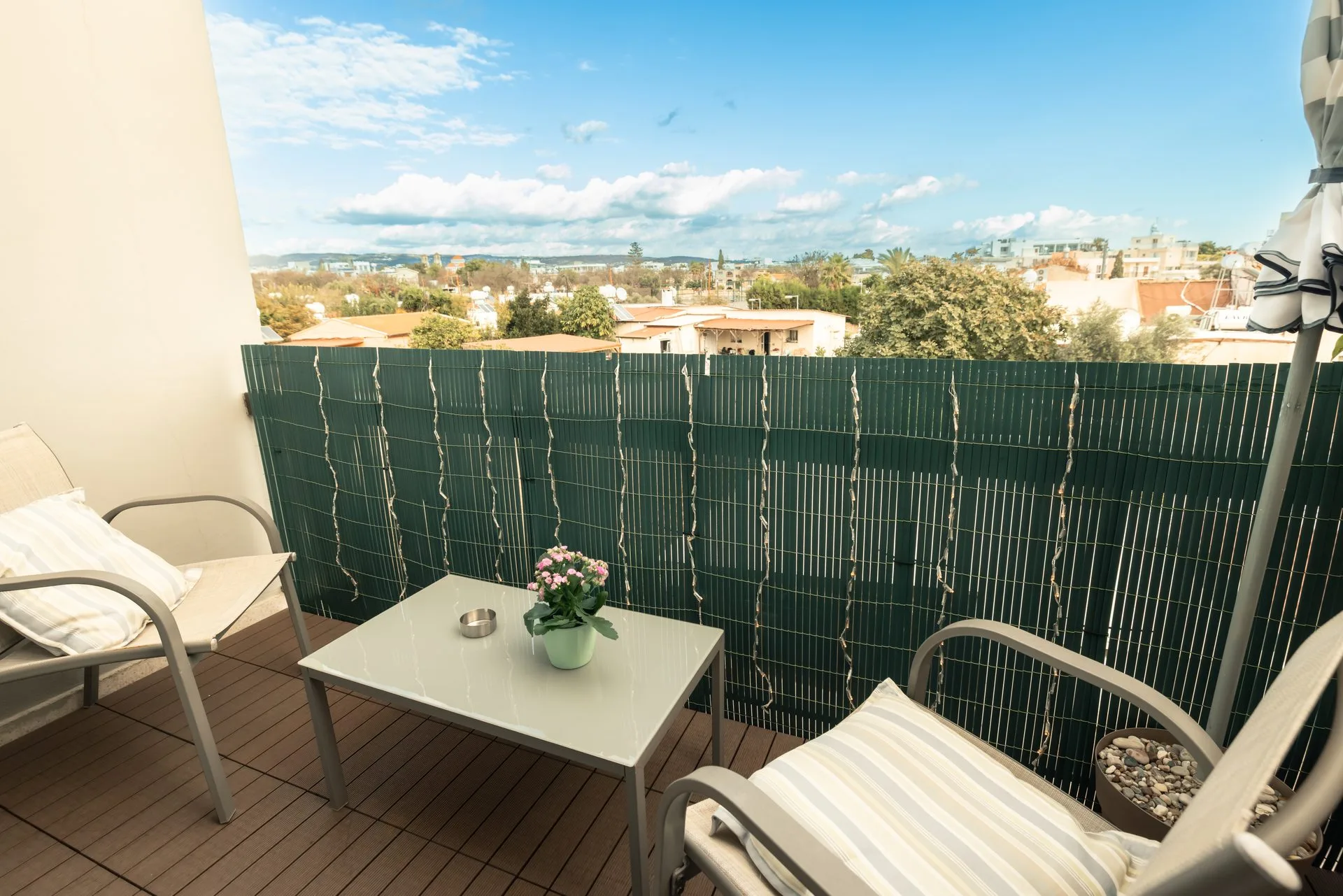
Your Wine Country Base Camp
All the best wineries are an easy day trip from Lovely Ap. Taste your way through the Troodos foothills, then come home to your apartment in the centre of Kato Paphos.
Check AvailabilityCommandaria — The World's Oldest Named Wine
Commandaria holds an extraordinary distinction: it is the oldest named wine still in production anywhere in the world. The name dates to the 12th century when the Knights of St John (Knights Hospitaller) established their headquarters — their "commanderie" — in the Troodos foothills and began producing this sweet, amber dessert wine.
But the wine itself is far older. Archaeological evidence shows that wines of this style were being made in Cyprus since at least 3000 BC. The poet Hesiod described the process of sun-drying grapes before pressing them — the exact technique still used for Commandaria today. Richard the Lionheart reportedly tasted it during the Third Crusade and declared it "the wine of kings and the king of wines."
Commandaria is made from two grape varieties — Xynisteri (white) and Mavro (red) — grown exclusively in 14 designated villages on the southern slopes of the Troodos Mountains. After harvest, the grapes are laid out on mats in the sun for 7-14 days, concentrating the sugars and flavours. The resulting juice is thick, sweet, and rich with honey, dried fruit, caramel, and spice.
- Where to try it: Every restaurant in Paphos stocks Commandaria. A glass costs EUR 4-6. Try it as a dessert wine after dinner.
- Where to buy it: Any supermarket. Brands to look for: KEO St John, ETKO Centurion, LOEL Alasia. Prices range from EUR 5 (basic) to EUR 30+ (aged premium).
- Best pairing: Aged halloumi, dark chocolate, dried figs, or on its own as a digestif.
Wine Villages — Where to Go Beyond the Wineries
The wine villages themselves are reason enough to visit, even if you don't drink wine. These are small, stone-built mountain villages with narrow streets, ancient churches, and a pace of life that hasn't changed much in centuries. Several make excellent lunch stops:
- Kathikas — The most accessible wine village from Paphos (20 minutes). Several tavernas serve excellent local food, and the village square has a timeless feel. Visit Vasilikon Winery, walk the old streets, and have lunch at Yiannis Tavern.
- Pano Panayia — The birthplace of Archbishop Makarios III, with a museum in his family home. Vouni Panayia Winery is here, and the views from the village over the Paphos Forest are spectacular.
- Omodos — Perhaps the most photogenic wine village in Cyprus. A cobblestoned central square, a medieval monastery (Timios Stavros), and several wine and souvenir shops. Can feel touristy at peak times, but the setting is genuinely beautiful.
- Lofou — A beautifully restored village with a creative community of artists and artisans. Excellent tavernas, a small but good gallery, and almost no tourists. Our personal favourite for a quiet village lunch.
Wine Tours — Organised vs. Self-Drive
You have two options for exploring Paphos wine country: join an organised tour or drive yourself.
Organised wine tours are offered by several operators in Paphos and typically cost EUR 60-90 per person for a half-day tour (4-5 hours) visiting 2-3 wineries with tastings, a village lunch, and transport. The advantage is obvious: someone else drives, so everyone can taste freely. The best operators use small groups (8-12 people) and include knowledgeable guides.
Self-drive is more flexible and lets you linger at wineries you love and skip ones that don't interest you. Rent a car (EUR 25-35/day from Paphos) and plan a route through 2-3 wineries with a village lunch in between. The designated driver will need to spit or limit tasting to small sips — or you can alternate the driving role between visits.
- Best route for self-drive: Paphos → Kathikas (Vasilikon) → Pano Panayia (Vouni Panayia) → lunch in Kathikas or Panayia → return via the coast road. Allow 5-6 hours.
- Alternative route: Paphos → Omodos (village + monastery) → Lofou (lunch) → Koilani (winery visit) → return. Allow 6-7 hours.
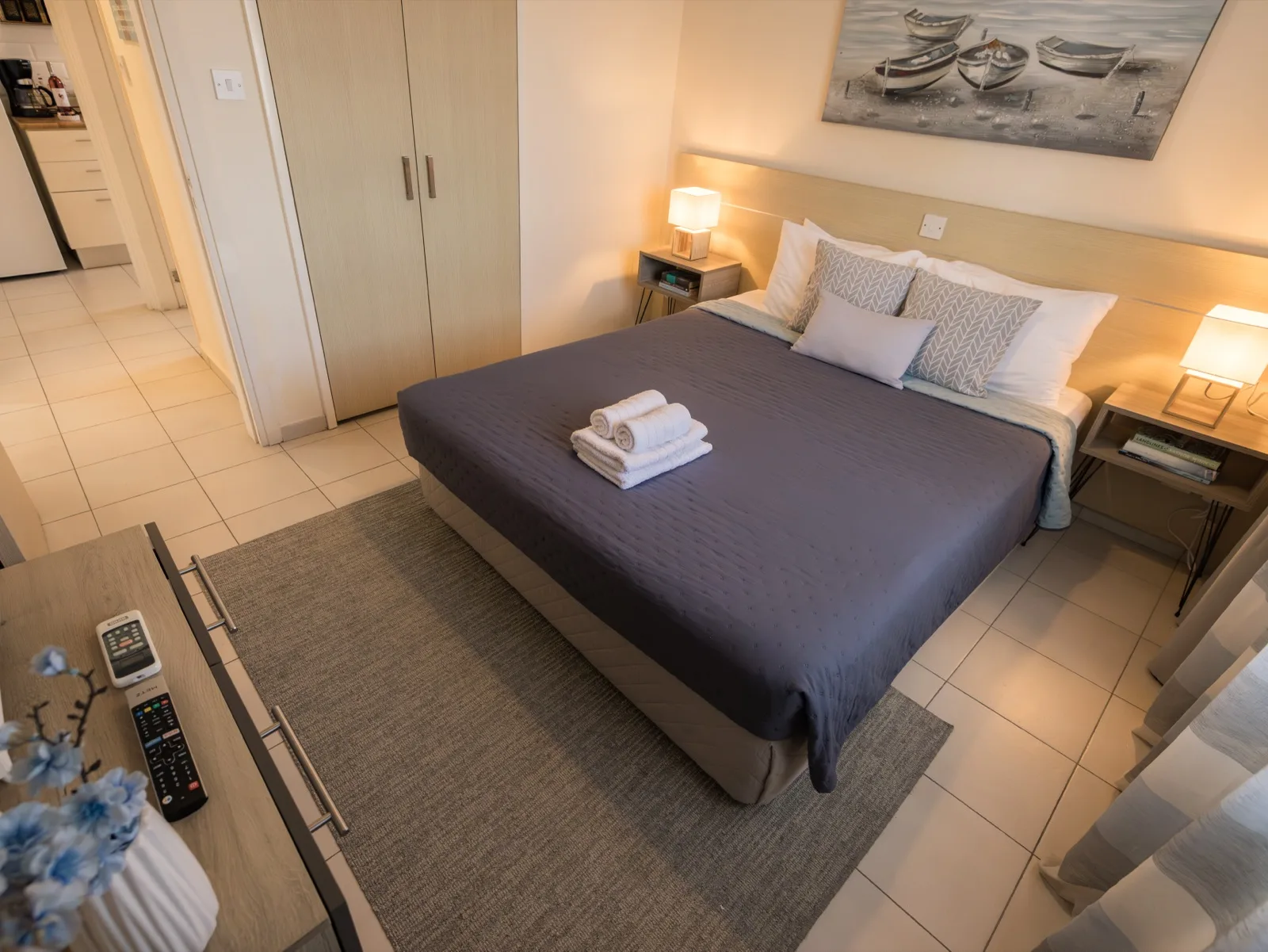
Buying Wine to Take Home
Cypriot wine is excellent value, and buying bottles to take home is one of the best souvenirs you can bring. Here's how to do it:
- At wineries: Buying direct is the best way. Prices are the same as retail (sometimes slightly cheaper), but you get to taste before buying and often access wines not available in shops.
- At supermarkets: A good bottle of Cypriot wine costs EUR 6-12 at Papantoniou or Carrefour. Look for Xynisteri (white) and Maratheftiko (red) from any of the producers mentioned above.
- At restaurants: If you fall in love with a wine at dinner, ask the restaurant which label it is. Most are happy to tell you — and the same bottle will cost a fraction of the restaurant price at a shop.
- Customs: EU residents can bring back essentially unlimited wine for personal use. Non-EU travellers should check their home country's duty-free limits.
Sip Your Way Through Cyprus
Day trip to the vineyards, evening on your balcony with a bottle of local wine and a Paphos sunset. Lovely Ap makes it happen.
Book Direct & Save 15%