Cyprus is home to some of the most important Byzantine art in the Mediterranean. Ten painted churches in the Troodos Mountains are UNESCO World Heritage Sites, and several more in the Paphos district contain frescoes and mosaics that rival anything in Ravenna or Constantinople. These are not tourist attractions in the traditional sense — they are living places of worship, still used by local communities, where you can stand inches from 800-year-old paintings in quiet, unhurried solitude.
Churches in Kato Paphos — Walking Distance
You don't need a car to experience Byzantine heritage. Paphos itself has several churches of genuine historical importance, and two of the most significant Christian sites in the eastern Mediterranean are within a short walk from the apartment.
- Agia Kyriaki Chrysopolitissa (500m) — This 13th-century church was built on the ruins of the largest early Christian basilica in Cyprus (4th century). The archaeological site surrounding it includes the famous St Paul's Pillar, where according to tradition, the Apostle Paul was flogged before the Roman governor converted to Christianity — making Cyprus the first country ruled by a Christian. The church itself is still active (Anglican services in English on Sundays). Free entry to the archaeological site.
- Panagia Theoskepasti (600m) — A small but beautiful church perched on a rock outcrop near the harbour. Local tradition says the church was made invisible by the Virgin Mary to protect it from Arab raiders. The current structure dates to the 15th century, but the site has been sacred for far longer. Worth visiting for the harbour views alone.
- Agia Solomoni Catacomb (800m) — An underground early Christian catacomb and chapel dating to the 2nd-4th century. A large terebinth tree covered in cloth offerings marks the entrance. Inside, you'll find faded but atmospheric frescoes from the 12th century. A genuinely atmospheric site — cool, quiet, and deeply historic. Free.
UNESCO Painted Churches of the Troodos
The Troodos Mountains contain ten churches listed as UNESCO World Heritage Sites, recognized for their exceptional Byzantine and post-Byzantine frescoes. These are simple stone churches — some no bigger than a barn — hidden in mountain villages, but the paintings inside are among the most important in the Christian world.
Three of these UNESCO churches are within easy day-trip distance from the apartment:
- Agios Nikolaos tis Stegis (1 hr 30 min drive) — Located near Kakopetria village, this 11th-century church has a distinctive steep-pitched wooden roof (stegi means roof) added later to protect the frescoes from snow. Inside, the walls are covered with paintings spanning the 11th to 17th centuries — a living timeline of Byzantine art evolution. The Transfiguration scene on the apse is particularly magnificent. Entrance: EUR 2.50.
- Panagia tou Araka (1 hr 45 min drive) — Hidden in the tiny village of Lagoudera, this 12th-century church contains some of the finest Comnenian-era frescoes in existence. The Pantocrator (Christ Almighty) in the dome is breathtaking — severe, luminous, and 900 years old. The church is usually locked; ask at the village coffee shop for the key-holder. Free.
- Timios Stavros Agiasmati (1 hr 30 min drive) — Near Platanistasa village. A 15th-century church with remarkably well-preserved frescoes by Philip Goul, the most accomplished Cypriot painter of the late Byzantine period. His style bridges the Byzantine and Renaissance traditions in a way that's unique to Cyprus.
History at Your Doorstep
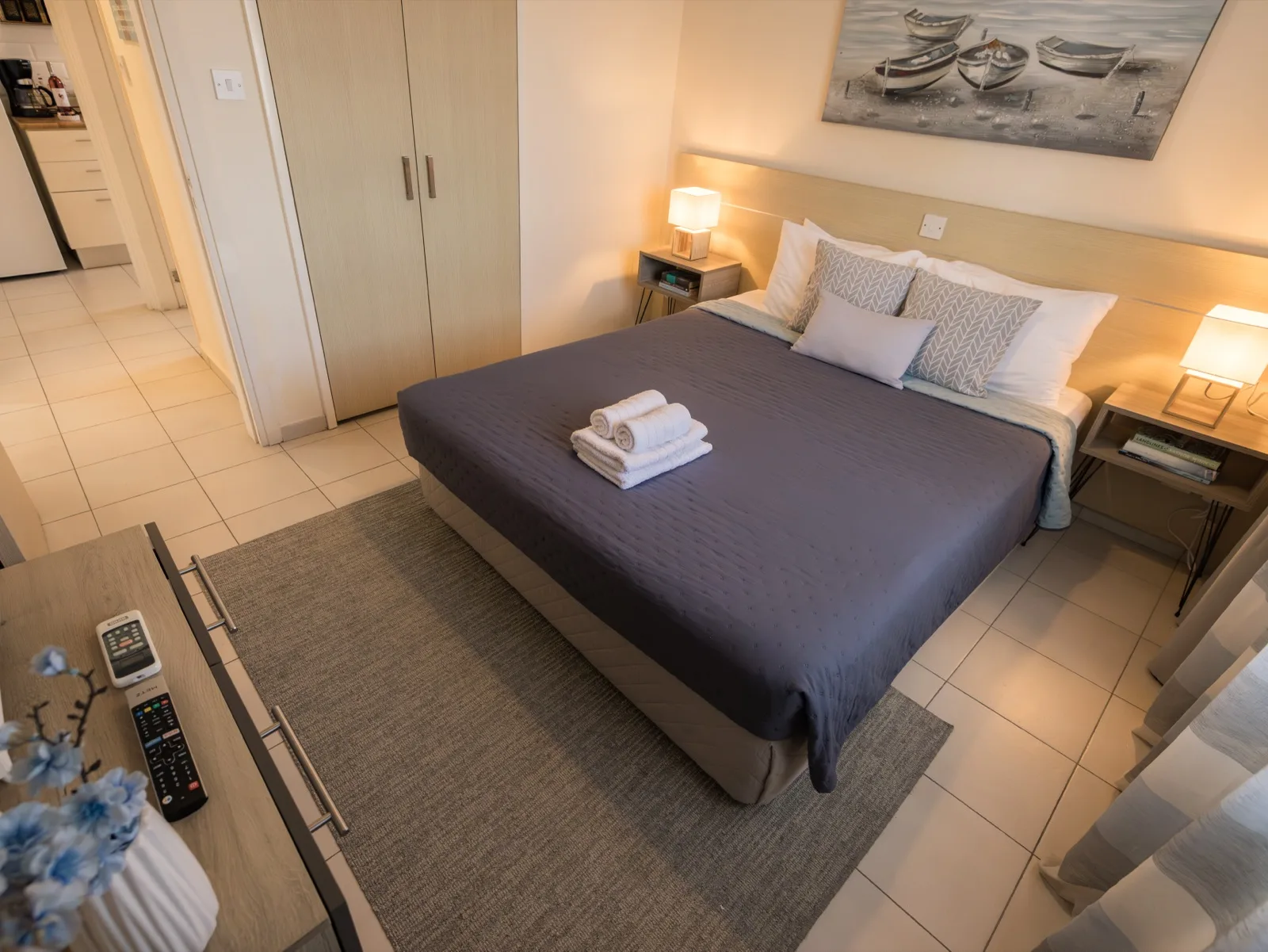
Walk to ancient churches in Kato Paphos, day-trip to UNESCO World Heritage sites in the mountains. Lovely Ap puts centuries of culture within reach.
Check AvailabilityMonasteries Worth Visiting
Cypriot monasteries are not just historical sites — many are still active communities of monks or nuns, producing wine, honey, and preserves. They welcome respectful visitors and offer a window into a way of life that has barely changed since the Byzantine era.
- Chrysorrogiatissa Monastery (40 min drive) — Founded in 1152, set dramatically on a hillside overlooking the Paphos coast. The monastery is famous for its wine — the Monte Royia label is produced from their own vineyards and sold at the monastery shop. The small museum contains icons, manuscripts, and religious artefacts. The terrace views are spectacular. Free entry; wine tasting available.
- Agios Neophytos Monastery (15 min drive) — The most important monastery near Paphos, founded in 1159 by the hermit-writer Neophytos. The highlight is the Enkleistra — a cave manually carved by Neophytos himself, decorated with 12th-century frescoes that are among the finest in Cyprus. The monastery museum has an excellent collection of icons and manuscripts. Entrance: EUR 2.50.
- Timios Stavros Monastery, Omodos (50 min drive) — In the wine village of Omodos, this monastery claims to hold a fragment of the True Cross and rope used at the Crucifixion. Whether you believe the relics are genuine or not, the monastery is architecturally beautiful, with a cobblestoned courtyard and a small museum. Free entry. Combine with wine tasting in the village.
Early Christian Mosaics — The Paphos Archaeological Park
While not strictly Byzantine (they date to the Roman period, 2nd-5th century AD), the floor mosaics of the Paphos Archaeological Park are among the finest in the Mediterranean and tell the story of the artistic tradition that evolved into Byzantine art.
The most famous are the Mosaics of the House of Dionysos — enormous, colourful floor mosaics depicting scenes from Greek mythology: Dionysos, Apollo, Orpheus, and the Four Seasons. They're remarkably well-preserved and genuinely moving in their artistry and detail.
- Location: 10-minute walk from the apartment, along the harbour
- Entrance: EUR 4.50 (valid for the entire archaeological park)
- Time needed: 2-3 hours for a thorough visit
- Best time: Early morning (avoids heat and crowds). Bring a hat — most of the site is open-air.
The Living Tradition — Orthodoxy in Cyprus Today
The Greek Orthodox Church remains central to Cypriot culture. About 78% of the population identifies as Orthodox Christian, and the church calendar shapes the rhythm of daily life — from name days (celebrated instead of birthdays) to festivals, fasting periods, and Sunday liturgy.
If you're interested in experiencing a living Orthodox service, most churches in Paphos hold Sunday morning liturgy (typically 7:30-10:30am). You're welcome to attend — simply dress modestly and stand (pews are rare in Orthodox churches; some have peripheral seating). The liturgy is chanted in Greek, with incense, candlelight, and icons. Even if you don't understand the words, the atmosphere is powerful.
Easter (Pascha) is the most important religious event in Cyprus. If you visit during Orthodox Easter (which often falls on a different date than Western Easter), you'll experience midnight church services, candlelit processions, fireworks, and the communal feast of souvla (whole-spit roasted lamb) the following day. It's one of the most memorable cultural experiences available in Cyprus.
Planning Your Church & Monastery Visits
- Half-day in Paphos (no car): Walk to Chrysopolitissa/St Paul's Pillar, Panagia Theoskepasti, and the Archaeological Park. 3-4 hours.
- Half-day by car: Drive to Agios Neophytos Monastery (15 min), then continue to Chrysorrogiatissa Monastery (40 min). Stop at Kathikas village for lunch and wine tasting. 5-6 hours.
- Full-day UNESCO trail: Drive to Omodos (Timios Stavros) → Kakopetria (Agios Nikolaos tis Stegis) → Lagoudera (Panagia tou Araka). This is a full day (8-10 hours) but covers the three most accessible UNESCO painted churches.
Walk Through History
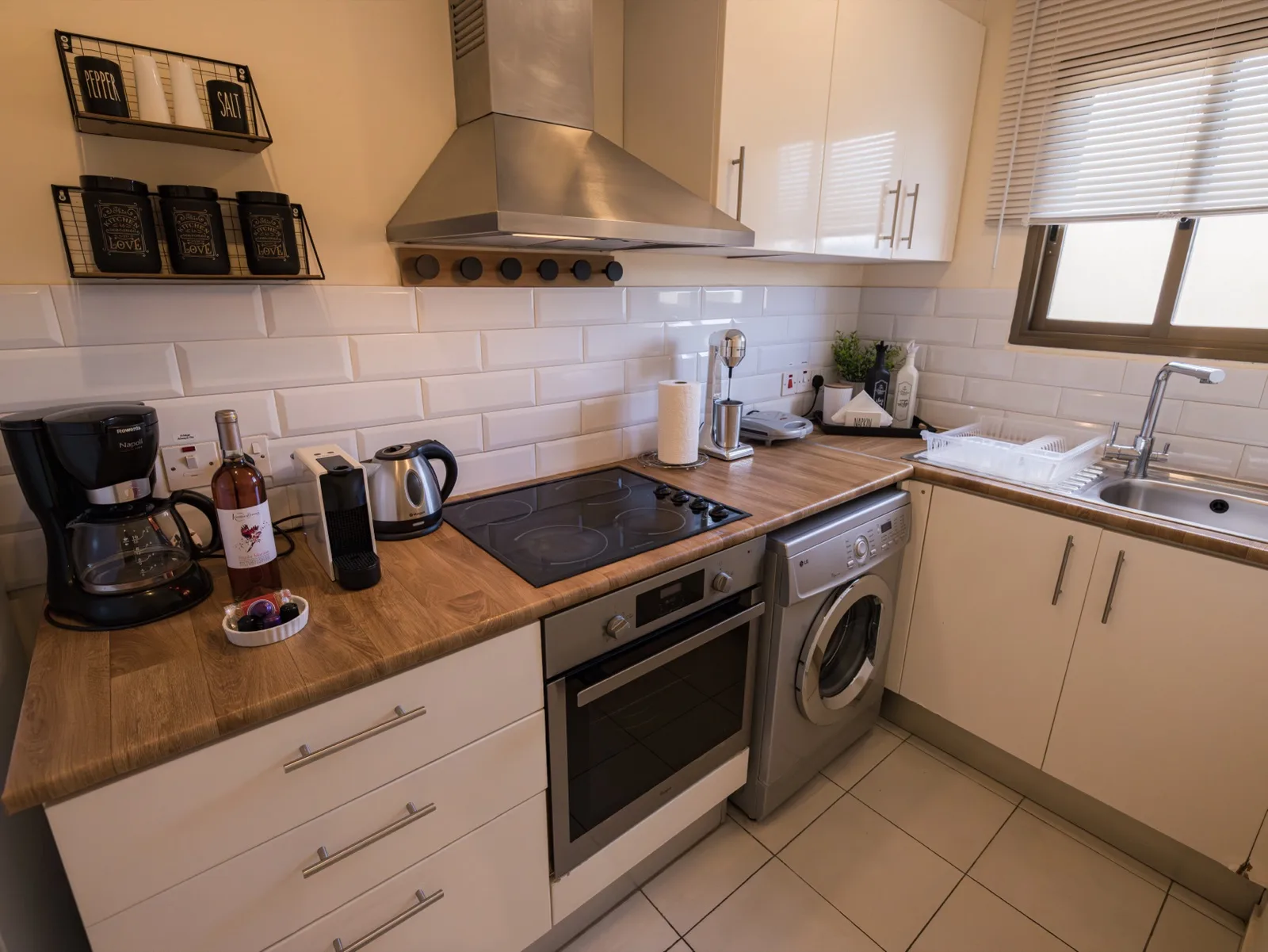
From Roman mosaics to Byzantine frescoes to living monasteries — the Paphos region holds centuries of sacred art. Lovely Ap is your comfortable base for exploring it all.
Book Direct & Save 15%